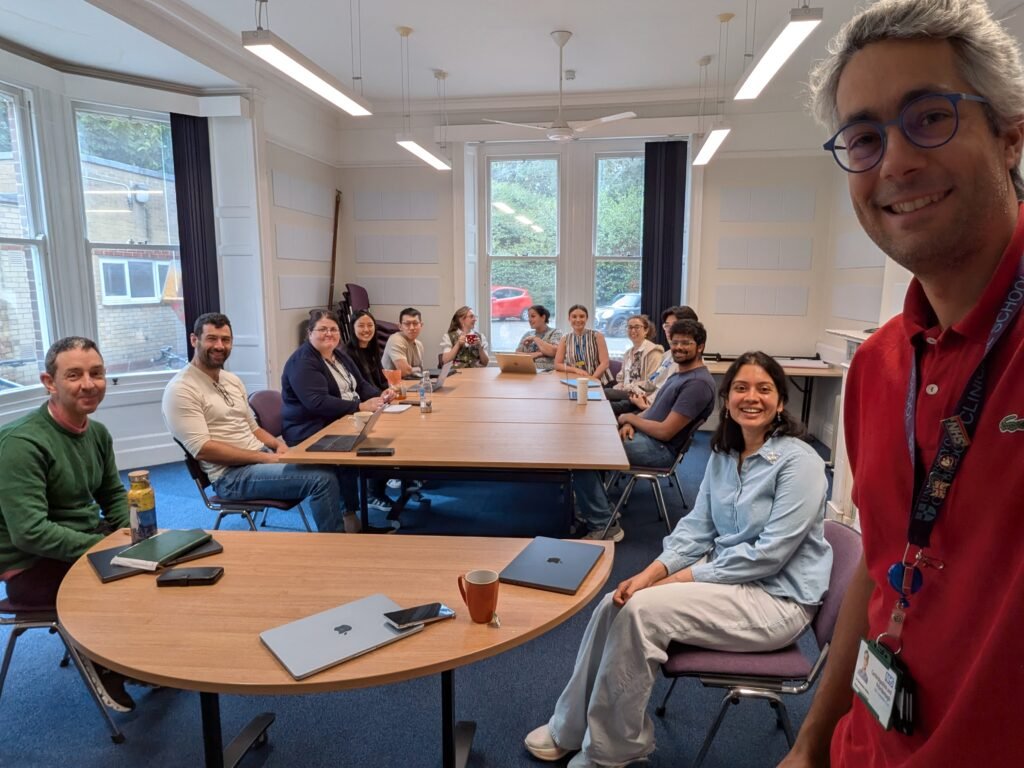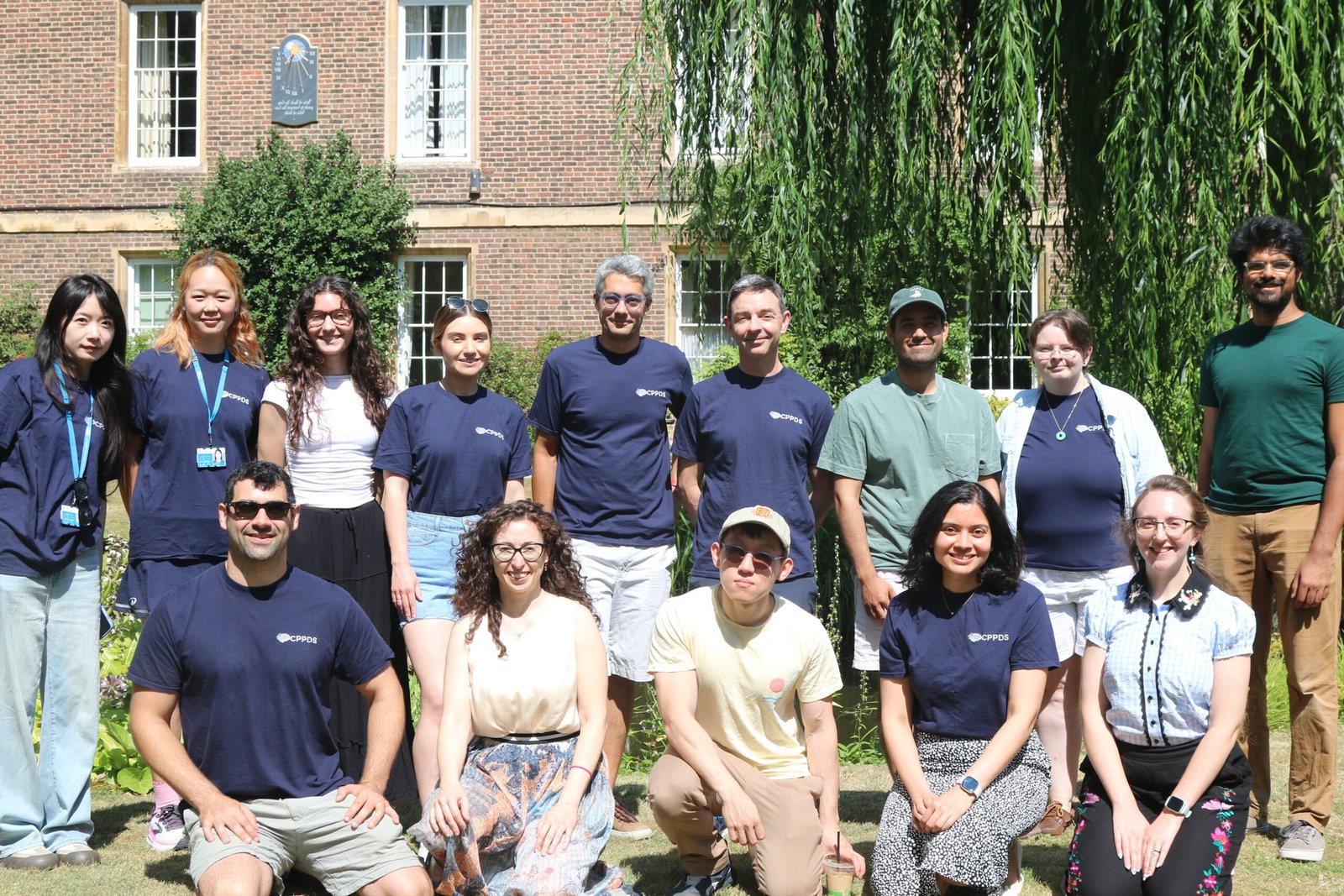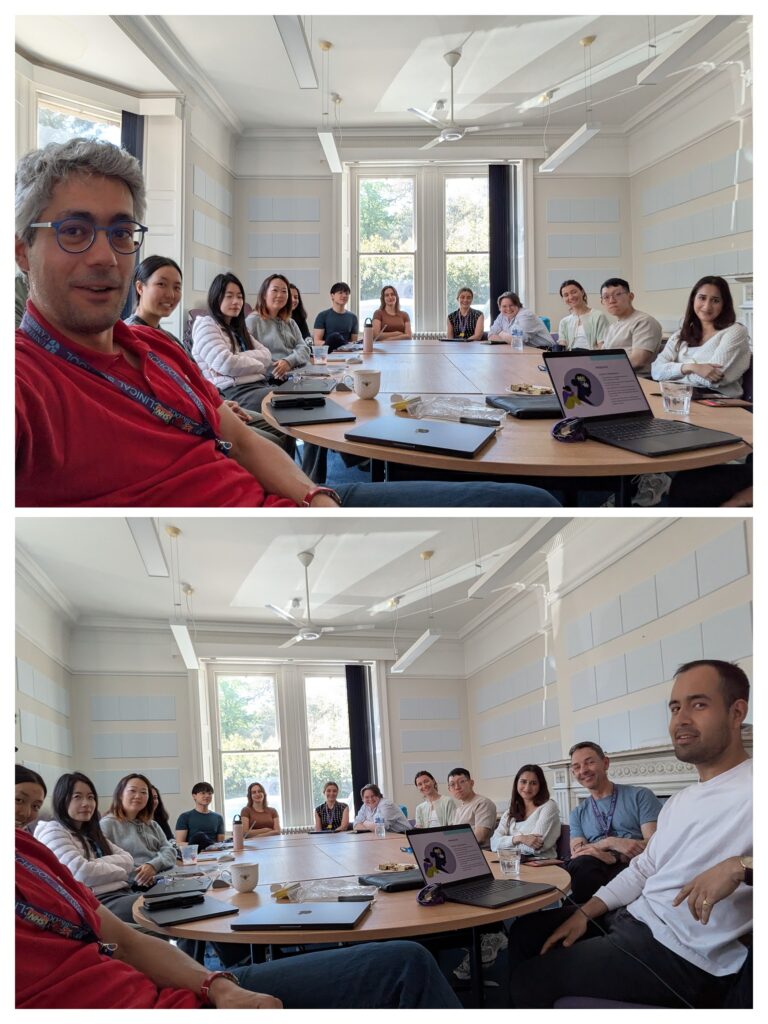
We are delighted to share that both of our Principal Investigators, Dr Emanuele Osimo and Professor Graham Murray, have been nominated for the University of Cambridge’s Research Culture Celebration, recognising their commitment to building a positive, inclusive and supportive environment at CPPDS and across the Department of Psychiatry.
The nomination highlights their open-door approach, their support for early career researchers through the clinical academic training pathway, and their efforts to foster a close-knit, diverse and collaborative lab community.
Emanuele and Graham will be celebrated at a reception at Kettle’s Yard on Wednesday 13th May as part of the University’s two-week Research Culture Festival. Congratulations to them both!
For many young people with psychosis, conversations about physical health risks often happen too late. One month after launch, PsyMetRiC is already helping clinicians bring these discussions forward, supporting earlier and more informed decision-making in routine clincal care.
Built using longitudinal data from over 25,000 patients followed for two decades, PsyMetRiC is the first validated cardiometabolic risk prediction tool tailored for young people with psychosis. It generates individualised risk estimates for outcomes such as weight gain, metabolic syndrome, and type 2 diabetes, across 1-, 6-, and 10-year time horizons.
Unlike some existing tools developed in older adult populations, it reflects the realities of early psychosis care. It uses routinely collected clinical data, making it applicable to use within everyday consultations. It is designed to support conversations about future cardiometabolic risk when starting treatment, rather than waiting until problems emerge.
The underlying methods are described in the recent Lancet Psychiatry PsyMetRiC paper. PsyMetRiC was led by Dr Benjamin Perry, Associate Clinical Professor of Psychiatry at the University of Birmingham with contributions from our own Dr Emanuele F Osimo. This work reflects a broader shift toward clinically embedded data science in psychiatry, where models are designed not only for statistical performance, but for use in real clinical decisions.
Co-production has been core priniple through out development. Young people with lived experience of psychosis were involved throughout development. Their input fundementaly shaped how risk is presented, helping ensure the tool is clear, acceptable, and supports shared decision-making in practice.
Early feedback suggests PsyMetRiC is valuable not just as a prediction model, but as a visual aid that supports discussion and planning. More broadly, this work points to a direction of travel for the field. Toward tools that support prevention, fit into clinical workflows, and are developed with the people they are intended to help.
You can explore PsyMetRiC at psymetric.app and see how it could support conversations in your own clinic or research.
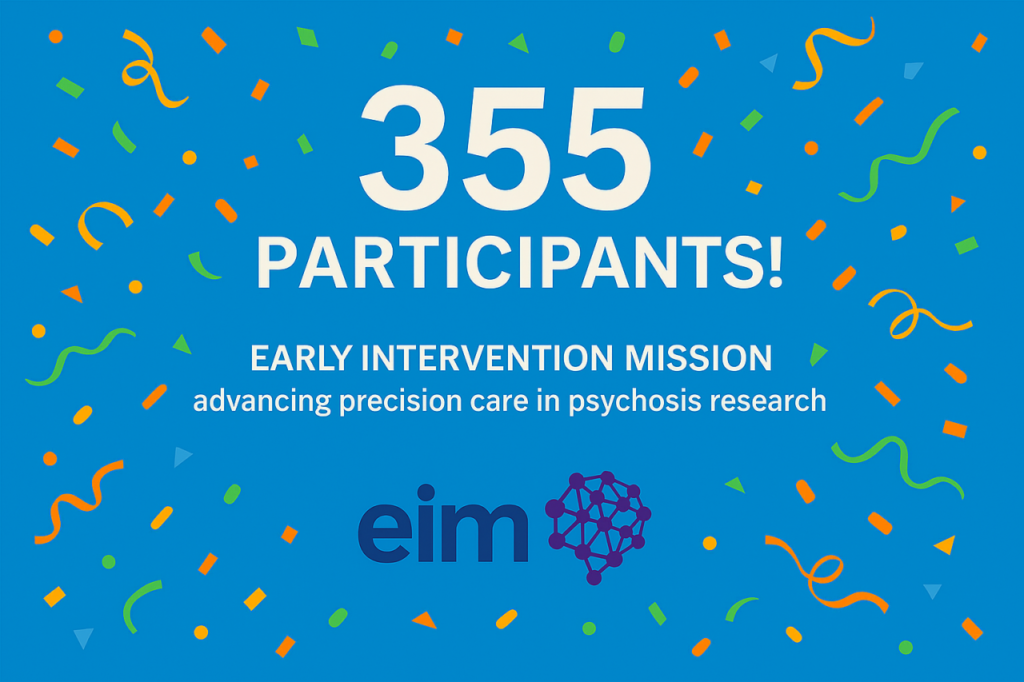
TODAY marks a full year since our CPPDS team began recruiting for the EIM study. On top of this we’re thrilled to celebrate hitting 100 participants locally!
This comes just after the national study reached an amazing 450 participants.
A huge well done to everyone in the team for their hard work, enthusiasm, and teamwork over the past year. And of course, a heartfelt thank you to the patients and clinical staff who make this research possible. Your time, support, and collaboration are what make this possible.
We went out to celebrate the arrival of Emma and Vicent to the lab!
Emma is a postdoctoral researcher with extensive experience in electronic health records research, and Vicent is a visiting psychiatrist with a PhD, who will be with us for 3 months.
The clinic aims to support people aged 18 and above across Cambridgeshire and Peterborough and their families with comprehensive, evidence-based psychiatric assessments and guidance on future treatment. We also offer opportunities to take part in research projects to improve care for mood disorders, including pioneering innovative treatments and new therapies.
People with treatment resistant depression who are interested in taking part should visit the clinic website: https://www.cpft.nhs.uk/moodclinic where it is also possible to refer oneself.
Congratulations to our PhD students – from left to right: Benji, then Ben (postdoc), Graham (PI), Jerry, Shrankla, Jim, and Ben (who spent some time with us in the past) – for a successful Student Symposium!