
Principal Investigators:
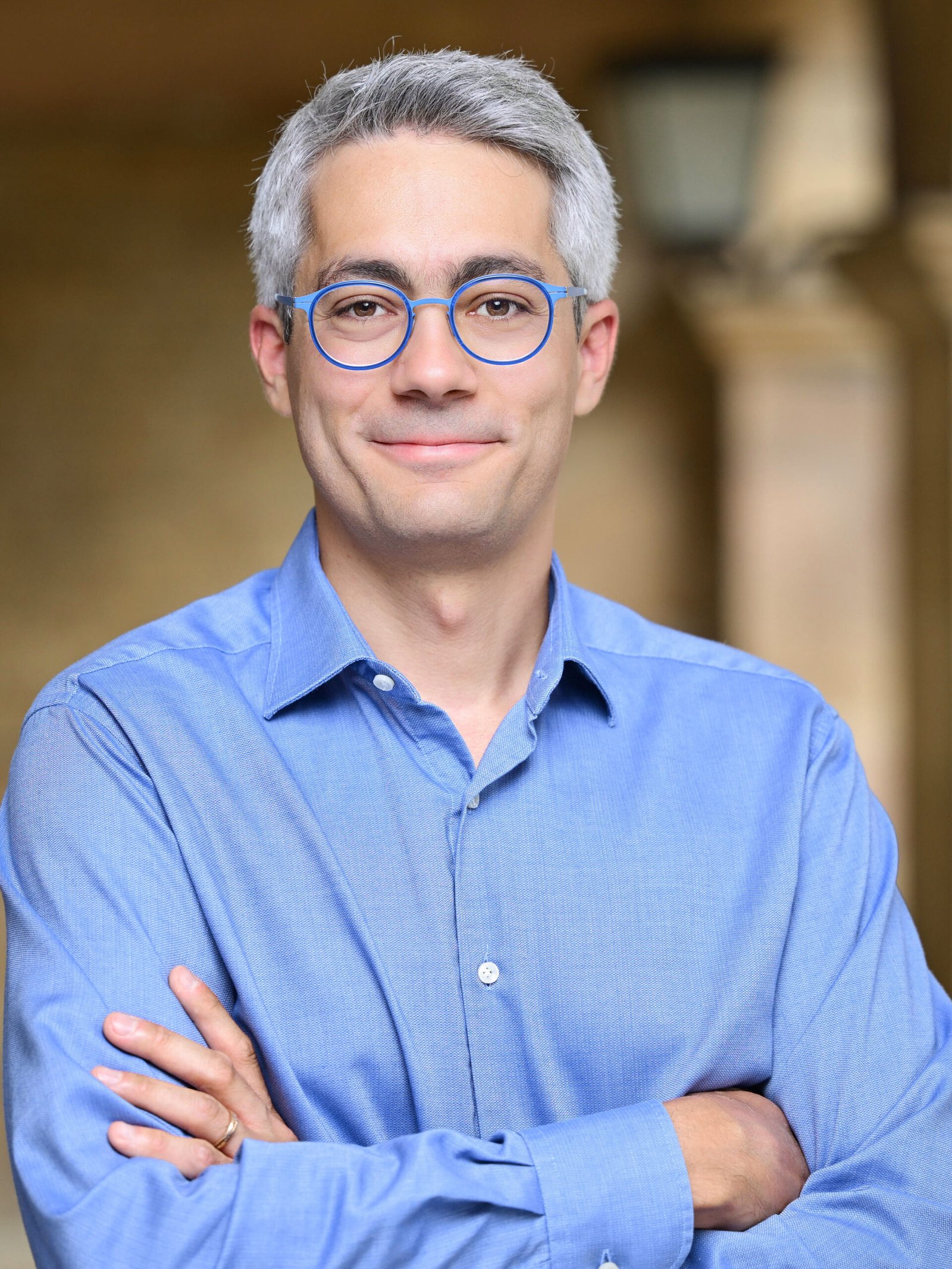
Assistant Prof Emanuele Osimo
efo22[at]cam.ac.uk
Google Scholar
LinkedIn
Cambridge Neuroscience Profile
Emanuele works on the prediction, mechanisms and treatment of severe mental illness, with a particular focus on psychosis and depression. He applies a range of translational approaches, including data science, genetics, epidemiology, and clinical informatics.
He investigates how electronic health records and routinely collected biological data — including biomarkers — can be used to stratify patients with psychosis, and how risk prediction tools can improve timely access to effective and personalised treatments. His work spans the development, validation and implementation of clinical decision support tools, including MOZART, which aims to personalise care at the onset of psychosis.
Emanuele contributes to local and national efforts to improve infrastructure for early psychosis research, including as deputy lead of the NIHR Mental Health Translational Research Collaboration (MH-TRC) Early Psychosis Workstream, and as co-investigator and local PI of the Early Psychosis Mission. He is also co-lead of the MH-TRC Mission CPFT Mood Disorders Research Clinic and Academic lead for the Cambridge MedTech Regulatory Hub.
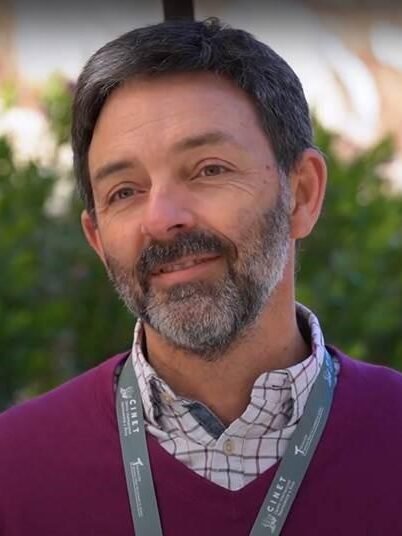
Professor Graham Murray
gm285[at]cam.ac.uk
Google Scholar
LinkedIn
Cambridge Neuroscience Profile
Graham works on the causes, brain mechanisms and treatments of mental disorder. He utilises a variety of neuroscience techniques, including statistical genomics (and other ‘omics), brain imaging, computational psychiatry, pharmacological and neuropsychological studies in patients and healthy volunteers.
He studies the relationship between cognitive development and mental illness across the lifespan, and the mechanisms through which etiological factors (such as genetics) lead to pathophysiological disruptions in mental illness. He is also interested in the research and clinical applications of risk scores, including polygenic risk scores and clinical informatics risk prediction models.
He is working to improve the infrastructure for psychosis translational research in the UK, through leading the Early Psychosis Workstream of the National Institute for Health and Care Research (NIHR) Mental Health Translational Research Collaboration (MH-TRC) Mission. Graham is chief investigator of the Early Psychosis Mission.
For more details on current projects for the team, please go to the Lab projects section.
Here is a list of all our publications.
Staff:
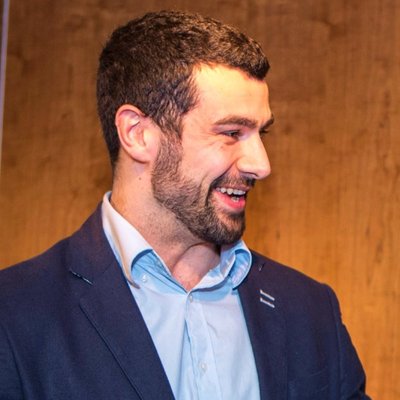
Ben Laws is Assistant Professor and principal investigator on the Accelerate Science award Trusting Qualitative AI: The Cambridge Protocol. This project will develop a novel methodology and protocol for ethically integrating qualitative analysis with AI. Ben works closely with the PsyMetRiC team (University of Birmingham) to understand how qualitative methods can improve physical health communication for young people with psychosis.
Previously, Ben has used qualitative methods to study how people experience, interpret, and navigate emotions and institutional contexts. His work began with a focus on emotional expression and regulation in prisons, followed by research into the emotional landscapes of the Northern European asylum system.

Amelia Harshfield
ah824[at]cam.ac.uk
Amelia Harshfield is Programme Manager for the Mental Health Translational Research Collaboration Early Psychosis Workstream and Early Intervention Mission cohort study.

Emma Butler is a post‑doctoral data scientist specialising in psychiatric electronic health records. She completed her PhD at the Institute of Psychiatry, Psychology & Neuroscience, KCL, with a focus on antipsychotic treatment strategies using NHS datasets.
Her research aims to harness routine clinical data to improve decision‑making and patient outcomes in psychiatry. This currently includes consensus work on common data models for psychiatric EHRs, in collaboration with industry partner AKRIVIA Health, and using EHR data to investigate the physical health impacts and treatment trajectories of antipsychotics in first‑episode psychosis.
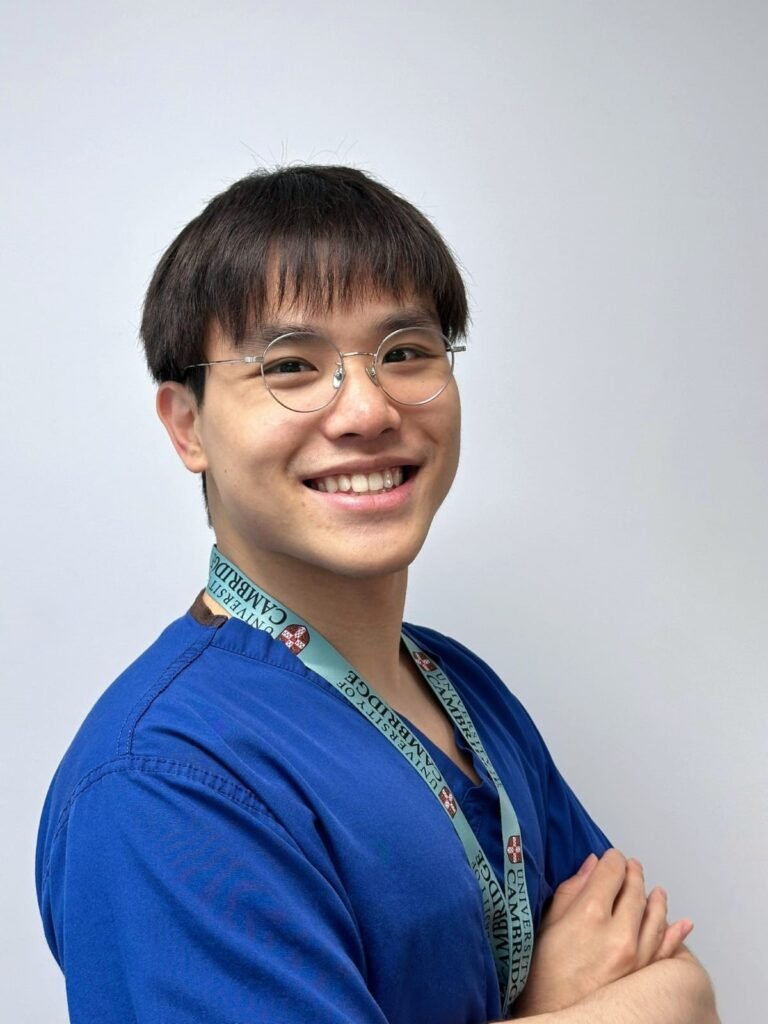
Naruto Pakunwanich is an academic clinical fellow with an interest in psychotic disorders. His primary research focus analyses electronic health records of individuals with severe mental illnesses and their psychiatric and physical health outcomes. His secondary interest is in decolonising mental health services in the community for people with psychotic disorders and other mental health issues.

Alessia Pascale
ap2629[at]cam.ac.uk
Alessia recently finished her Master’s in Clinical Mental Health Sciences at UCL. She is now a Research Assistant for the Early Intervention Mission Cohort study, working on data management and assisting Benji with testing the feasibility of mobile cognitive assessments. She is passionate about exploring what a future career in research or clinical practice could look like.
Postgraduate Students:

Shrankla Pandey works at the intersection of Psychiatry and Artificial Intelligence, co-supervised by Graham Murray and Sarah Morgan (King’s College London and Department of Computer Science, University of Cambridge). Her research explores how computational methods—including machine learning, natural language processing, and speech analysis—can be used to better understand and support mental health. She holds an undergraduate degree in Computer Science and a master’s in Statistics and Health Informatics.

Jim Wu is interested in neuroscience, and uses imaging to make sense of psychosis and Alzheimer’s disease.
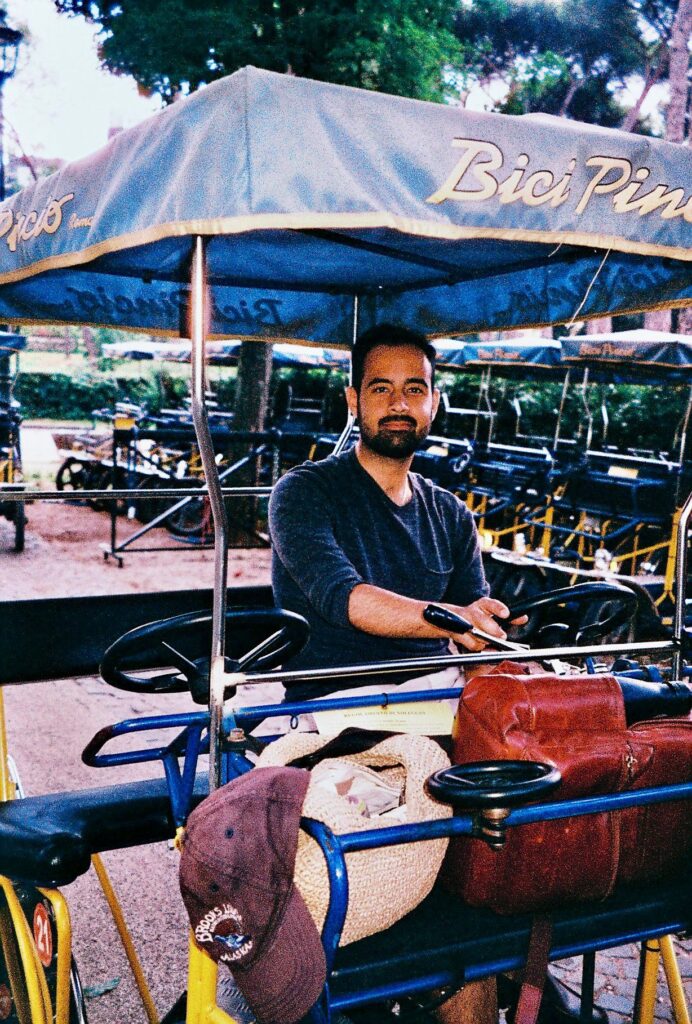
Benji Illingworth has interests in cognitive neuroscience and novel assessment tools and therapeutics for psychiatric conditions. The focus of his PhD is on the feasibility and efficacy of mobile (smartphone) cognitive assessments in patients with psychosis.

Yueming Gao
yg425[at]cam.ac.uk
Yueming Gao’s research investigates the neurogenetic mechanisms of psychiatric disorders. Her research combines genetic data with diffusion MRI to examine microstructural alterations in subcortical grey matter, with a particular focus on psychosis.
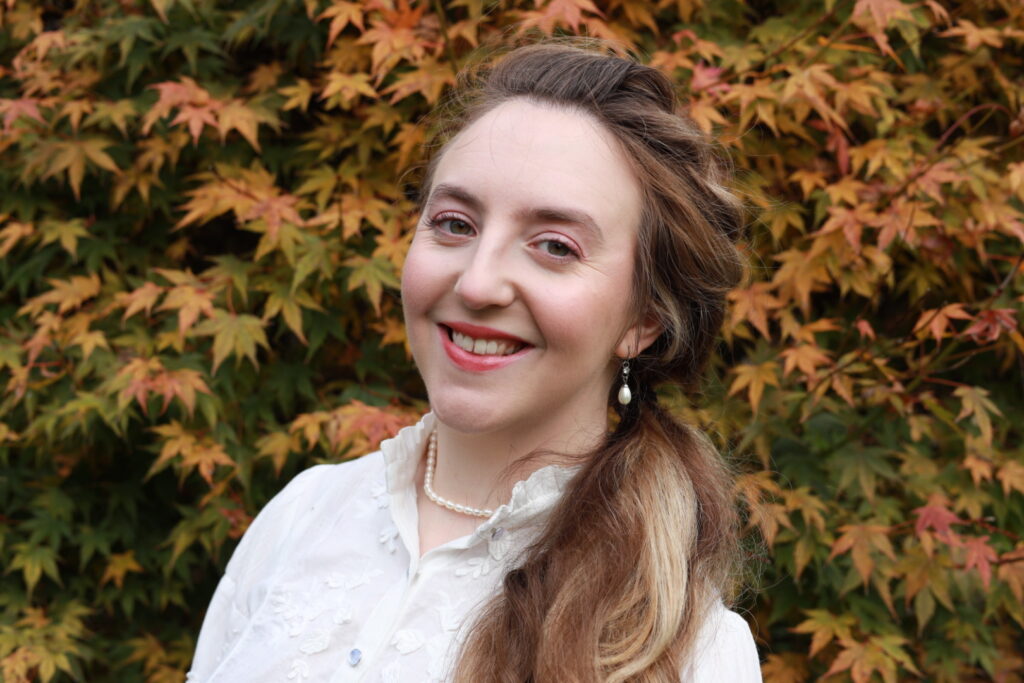
Chantal Miller-Silva
cm954[at]cam.ac.uk
Chantal Miller-Silva’s PhD focuses on the cognitive mechanisms underlying psychosis, the at-risk mental state and schizotypy. Specifically, she uses the predictive processing framework, often described as a unified theory of brain function, to analyse how aberrant weighting of prior expectations contributes to hallucinations and delusions. This entails a range of methods including mixed modelling, factor analysis, meta-analysis and high-field laminar fMRI.
Medical Students:

Suleyman Noordeen is interested in the relationship between inflammation and mental health.
Collaborators

Mary-Ellen Lynall is a neuroimmunologist and psychiatrist who leads the BioMindLab, working between the Universities of Cambridge and Oxford. She is also co-founder and co-chair of the Psychiatric Genomics Consortium Functional Genomics Workgroup, an international hub for large-scale, open science. She serves as blood biomarker lead for the UKRI Mental Health Platform.
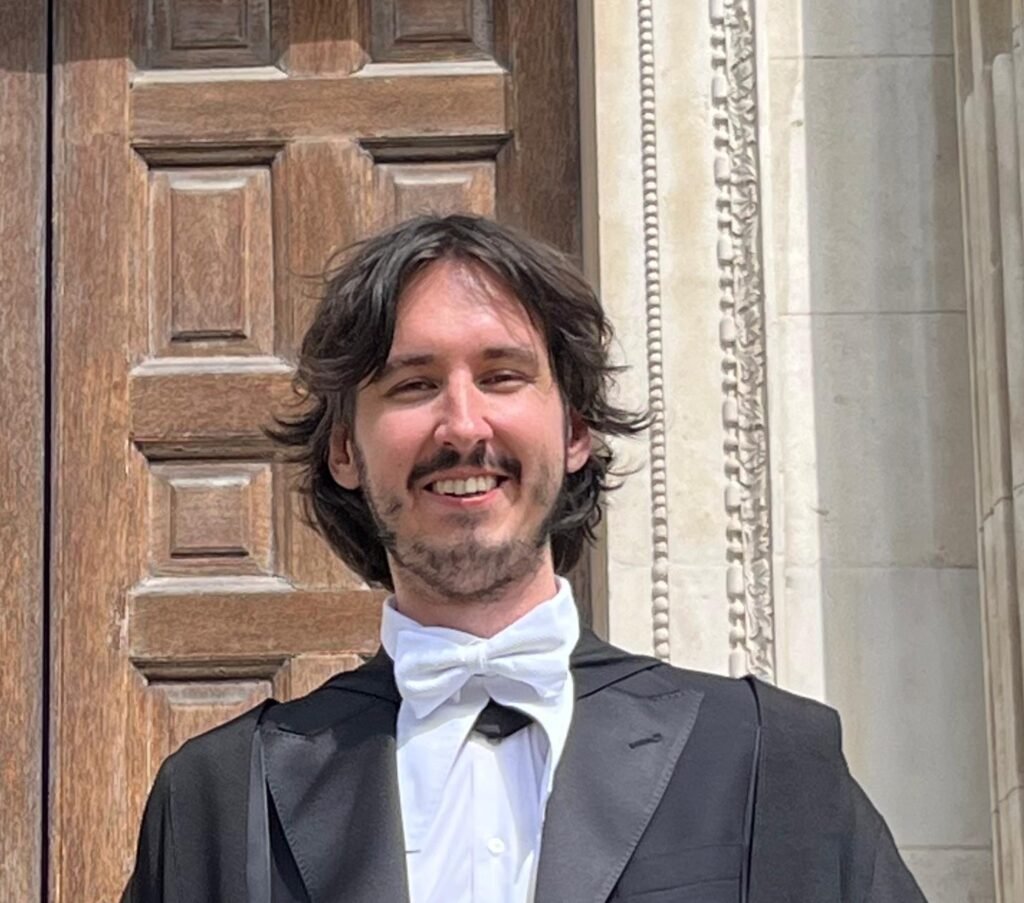
Tomáš Formanek is a Marie Sklodowska-Curie Postdoctoral Fellow at Aarhus University, Denmark. He investigates the epidemiology of mental health conditions, with a particular focus on studying the common denominators between physical and mental health conditions, including the potential for repurposing drugs for psychiatric conditions. He uses data from national administrative registers, electronic health records, biobanks, as well as genetic data, with a particular interest in combining different data modalities to perform evidence triangulation to establish causal relationships.

Emilio Fernandez-Egea is a psychiatrist at the University of Cambridge whose research focuses on treatment-resistant schizophrenia, particularly the biological mechanisms underlying negative symptoms and cognitive dysfunction. He integrates clinical trials, neuroimaging, and biomarker studies to develop more effective, personalised interventions.

Kimberley Kendall is an Academic Consultant Psychiatrist at Cardiff University. She conducts research into the genetic basis of psychosis and related phenotypes, with a particular emphasis on rare copy number variants and on translating findings into clinical practice. Clinically, Kimberley works at the All Wales Psychiatric Genomics Service, the UK’s first dedicated psychiatric genomics clinical service, where psychiatric genetic findings are translated into patient care.
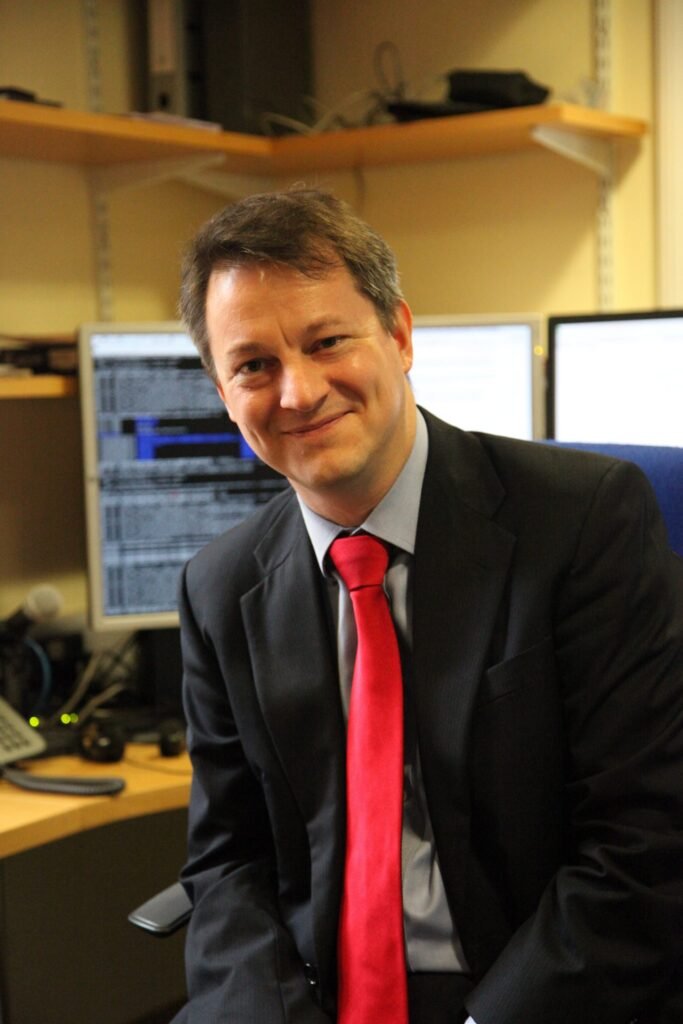
Rudolf Cardinal
Rudolf Cardinal is professor of psychiatry and informatics at the University of Cambridge, a liaison psychiatrist at CPFT and CUH, and a non-executive director at CPFT and CUHP. He is also chief investigator for the CPFT Research Database.

Varun Warrier
Varun Warrier is Associate Professor at the University of Cambridge. His team works on integrating genetics, epidemiology, and neuroimaging to understand neurodevelopmental conditions and links to mental health.
Visitors

Marta Basaldella is a psychiatrist in Udine, Italy, and is doing a PhD – supervised by prof Colizzi – on mental health problems in people with autism and LD. She is a visiting student at the University of Cambridge. Her interests include psychosis and psychiatric epidemiology.
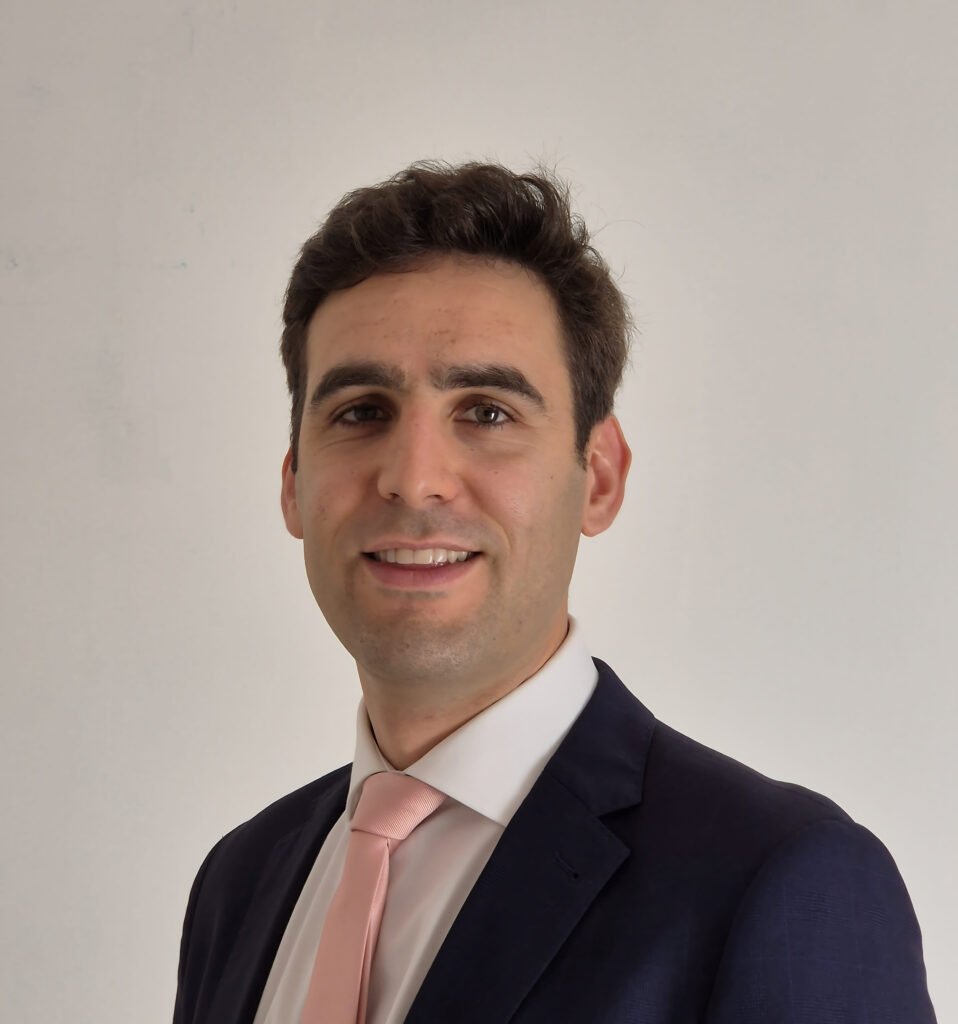
Vicent Llorca Bofí
Vicent Llorca-Bofí is a psychiatrist at the Barcelona Clinic Schizophrenia Unit, Hospital Clínic Barcelona, Spain. His research focuses on schizophrenia spectrum disorders, including biomarkers and treatment development. He is a visiting psychiatrist and postdoctoral researcher in the group.
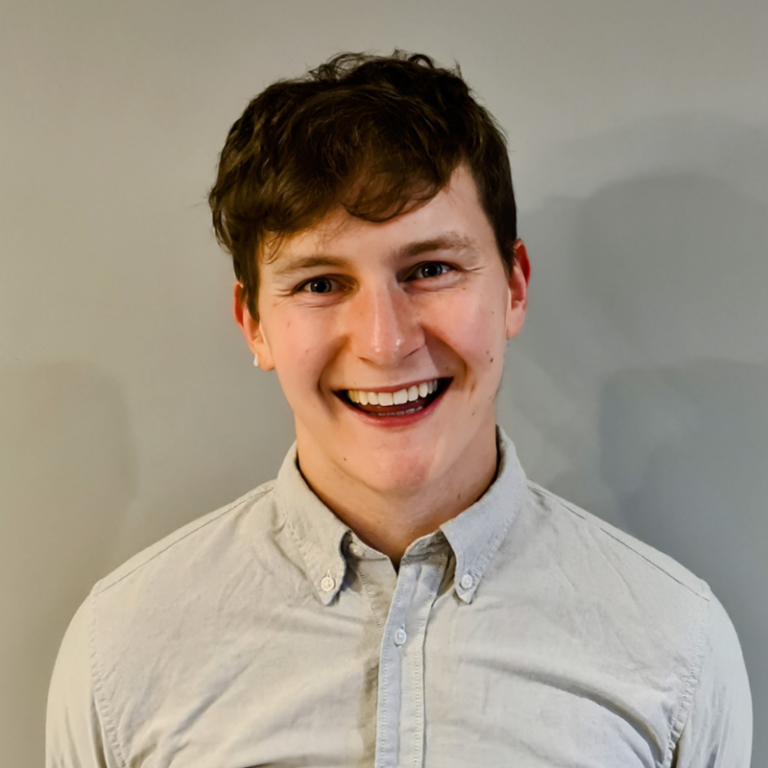
Brian O’Mahony
Brian O’Mahony is a psychiatry Senior Registrar from Cork, Ireland and is undertaking a PhD in University College Dublin. His PhD aims to quantify antipsychotic-induced weight gain in drug naive First-Episode Psychosis, and to see if the weight gain can be channelled into gaining muscle mass through use of resistance training. Brian is interested in data science and psychosis, and outside of academia he enjoys fitness and GAA.
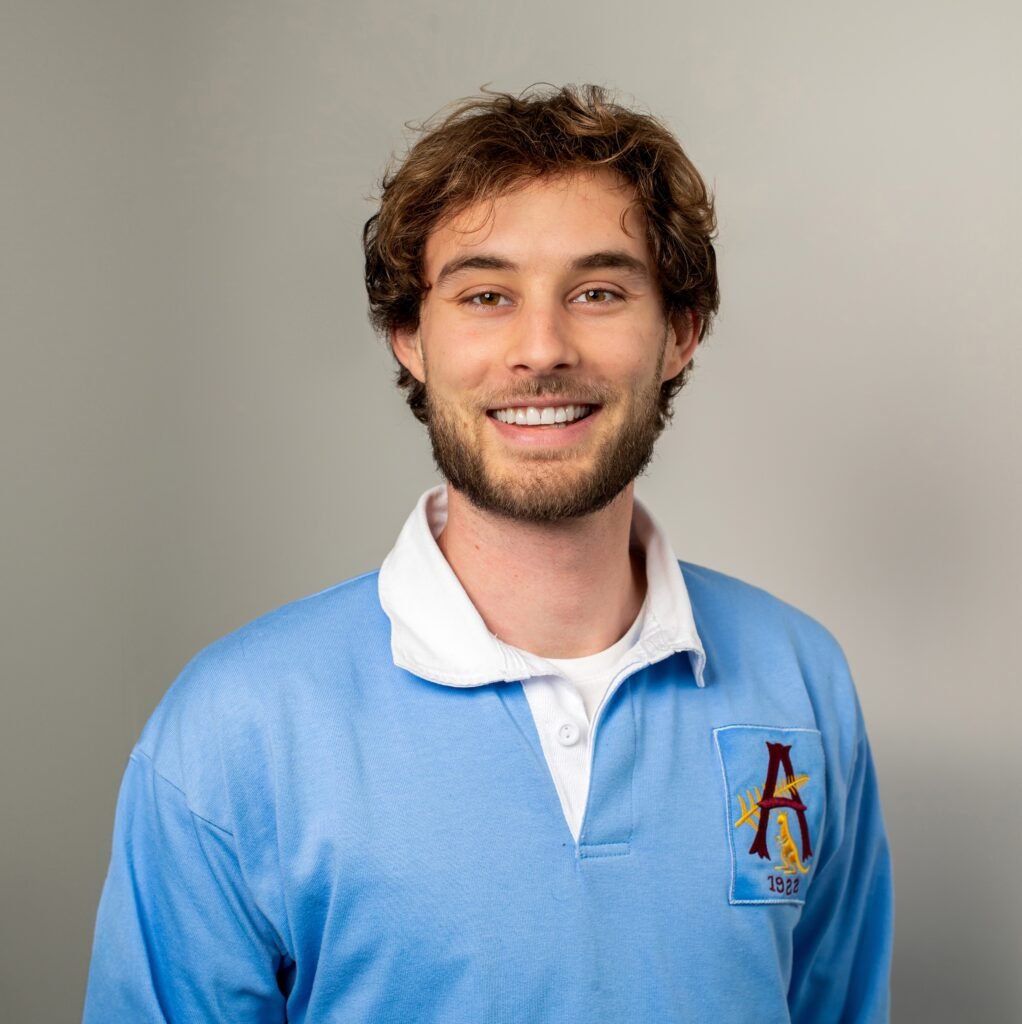
Ben Chidiac is a PhD student on the School of Clinical Medicine’s Doctoral Training Programme for Medical Research (DTP-MR). His research investigates the overlap between multimodal neuroimaging, genomics and cognitive-behavioural data to uncover new perspectives on psychiatric disorder, particularly psychosis. Using novel multi-feature connectomic approaches, it is hoped that insights gained into the life course of mental illness will lead to improved clinical outcomes for patients
Alumni (since 2025)
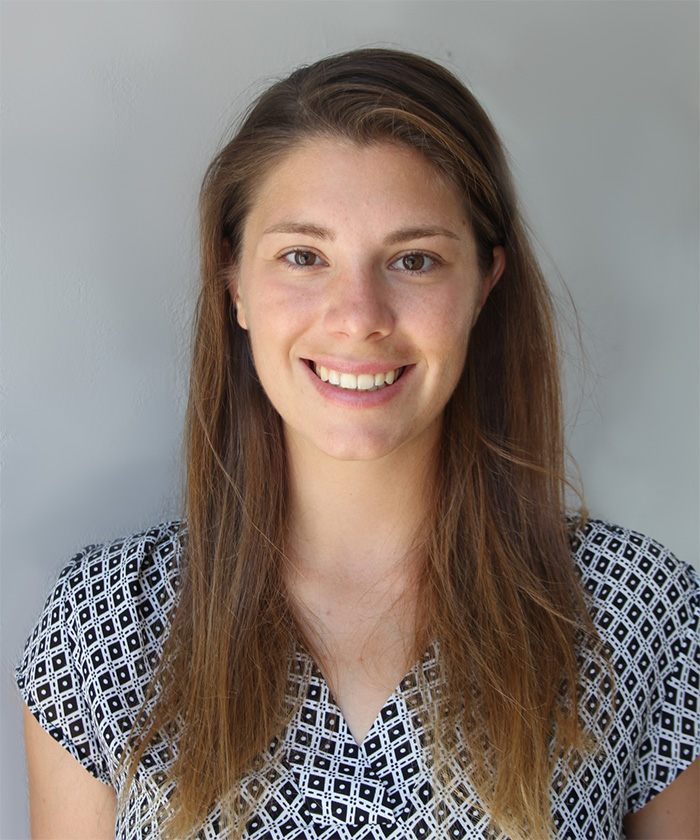
Ines Horvat Menih
Ines Horvat Menih supported the PPiP2 and Early Intervention Mission studies.